Decipherment · June 1916
Chenmi (辰密): four telegrams and their key
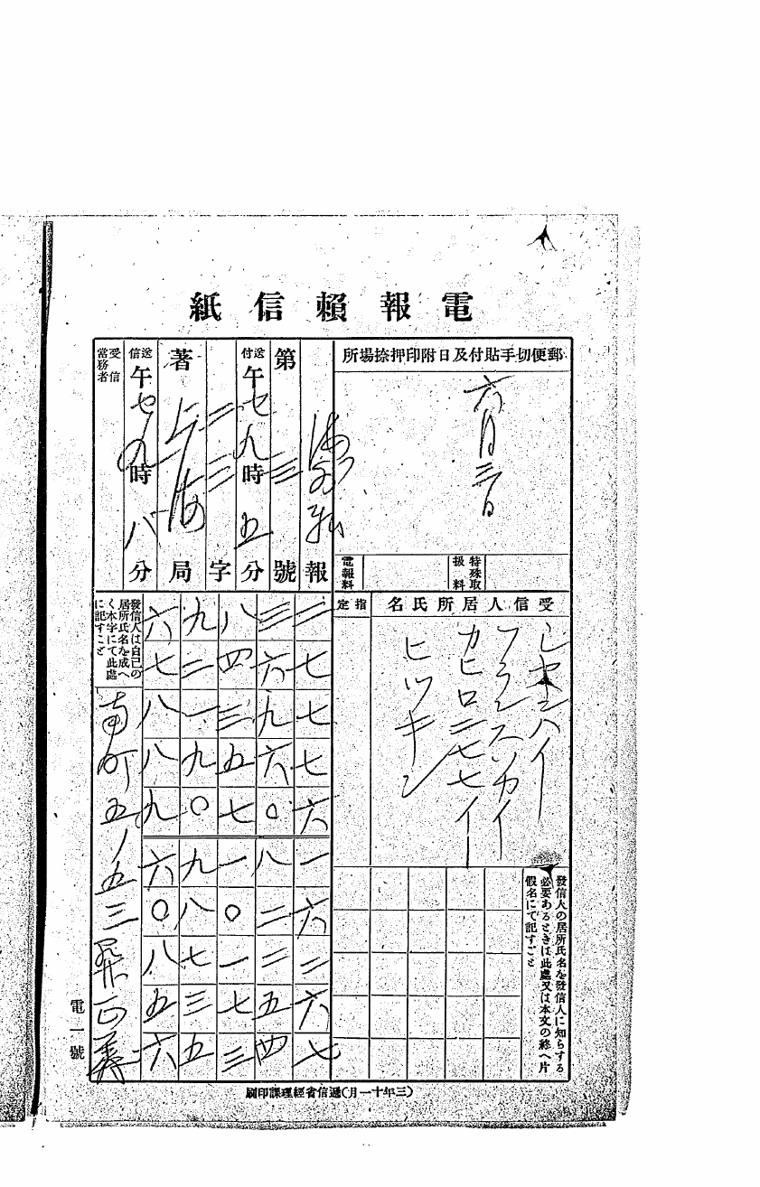
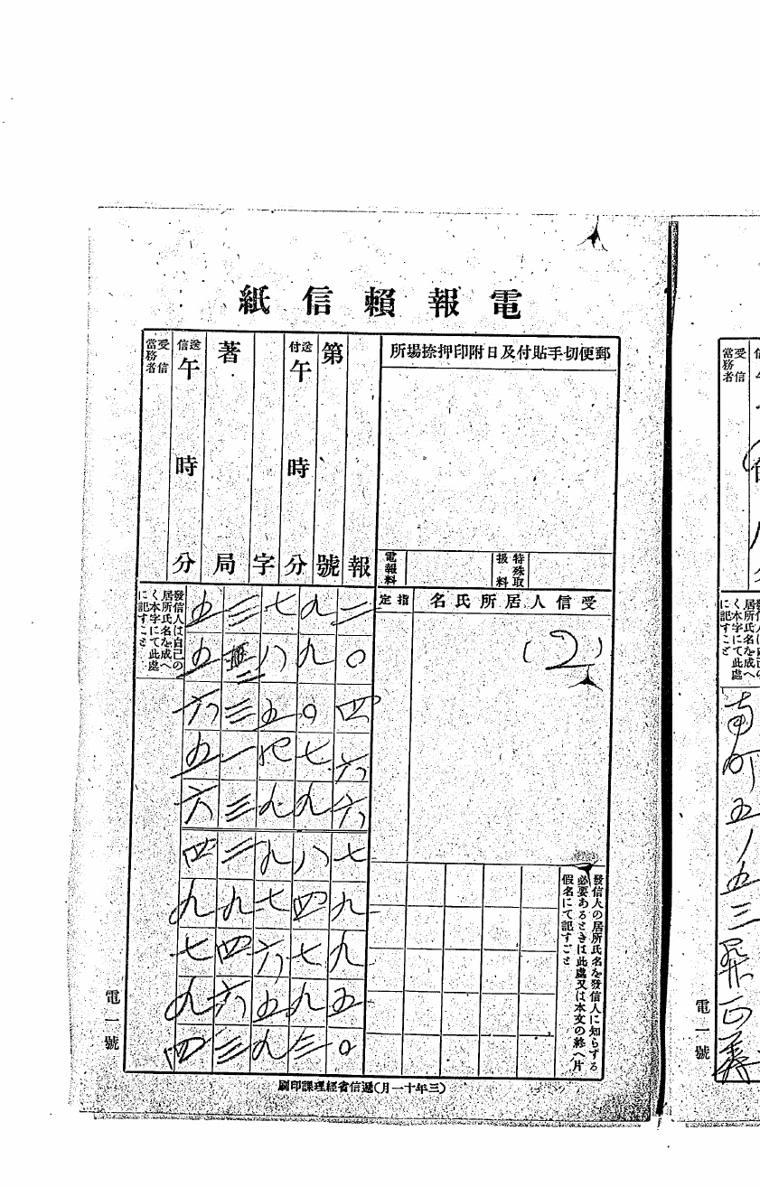
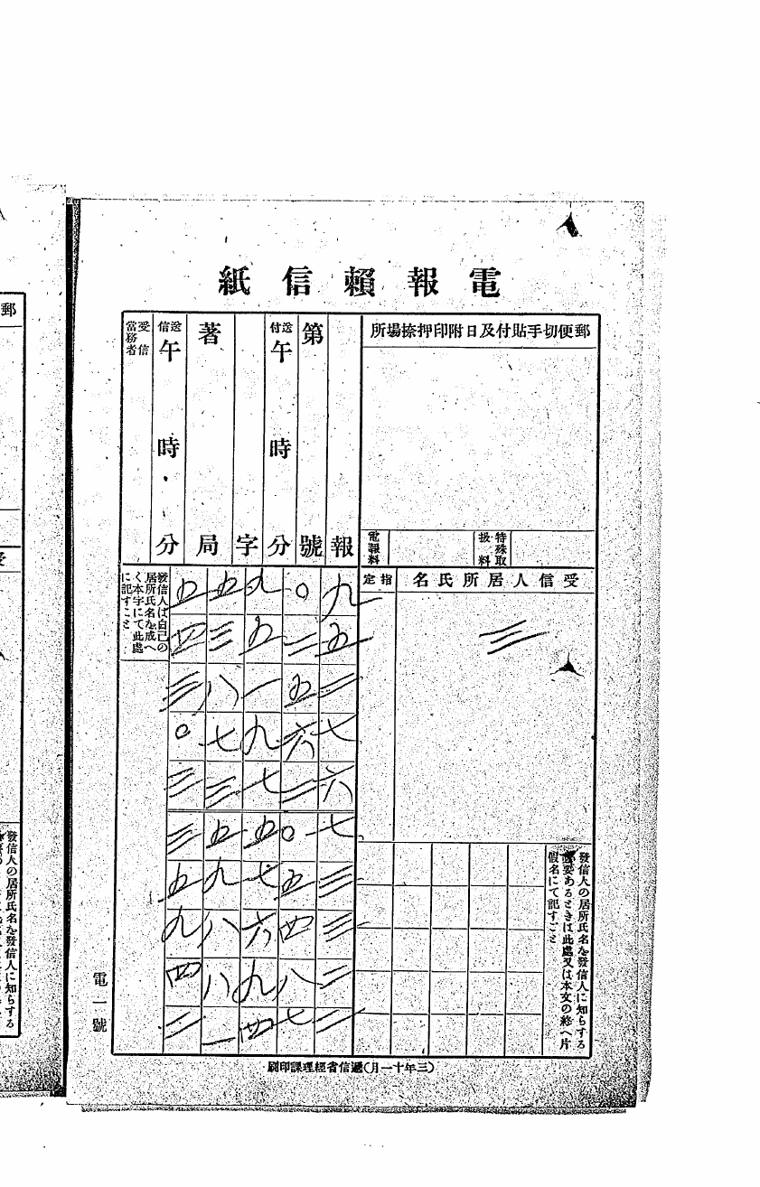
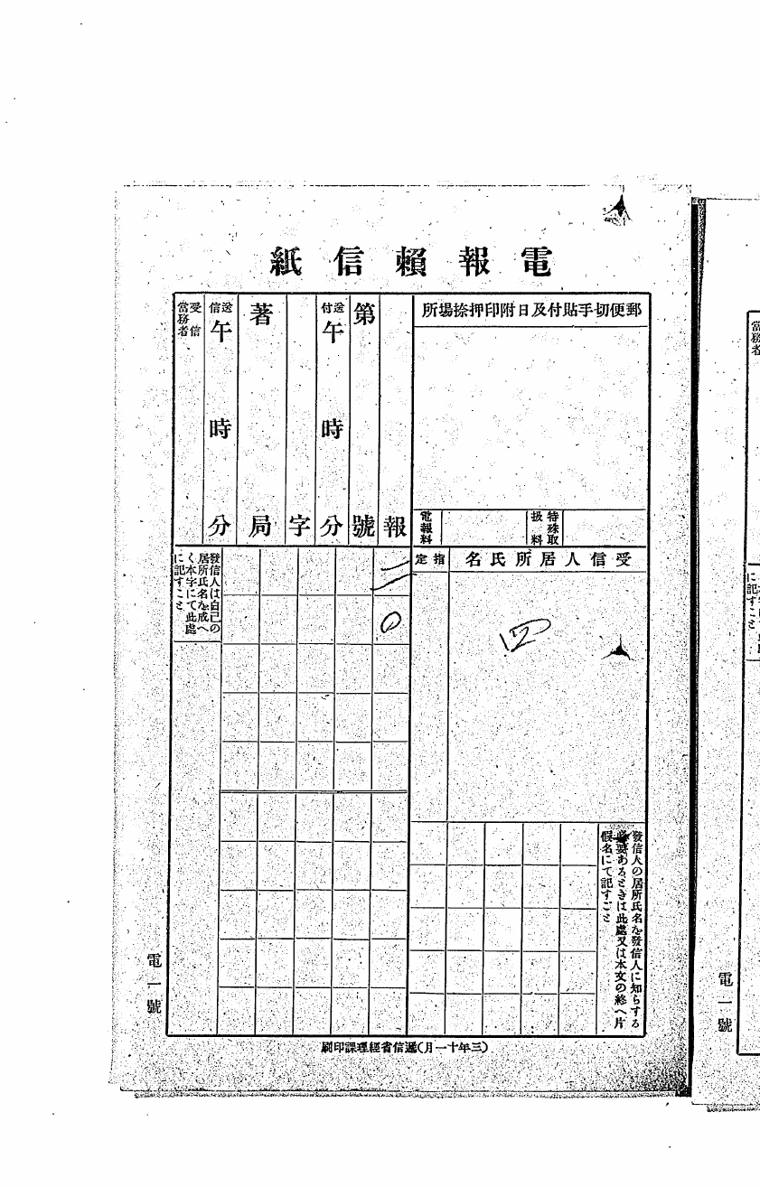
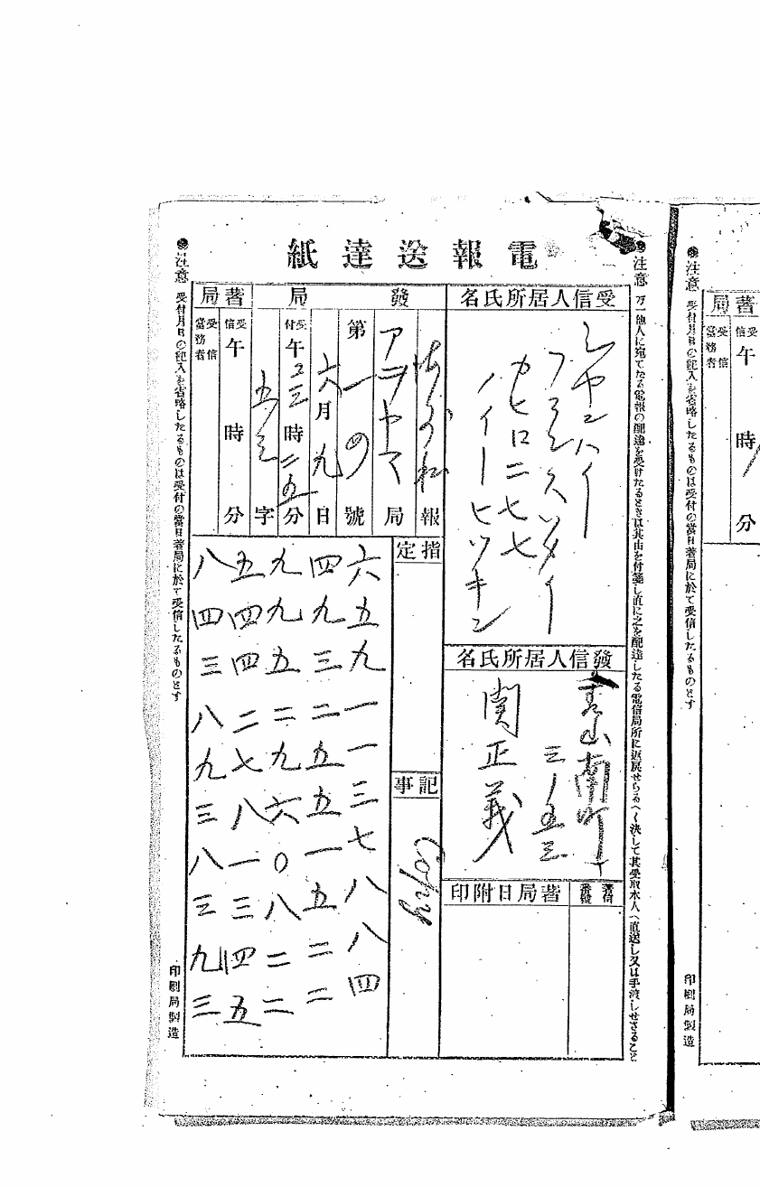
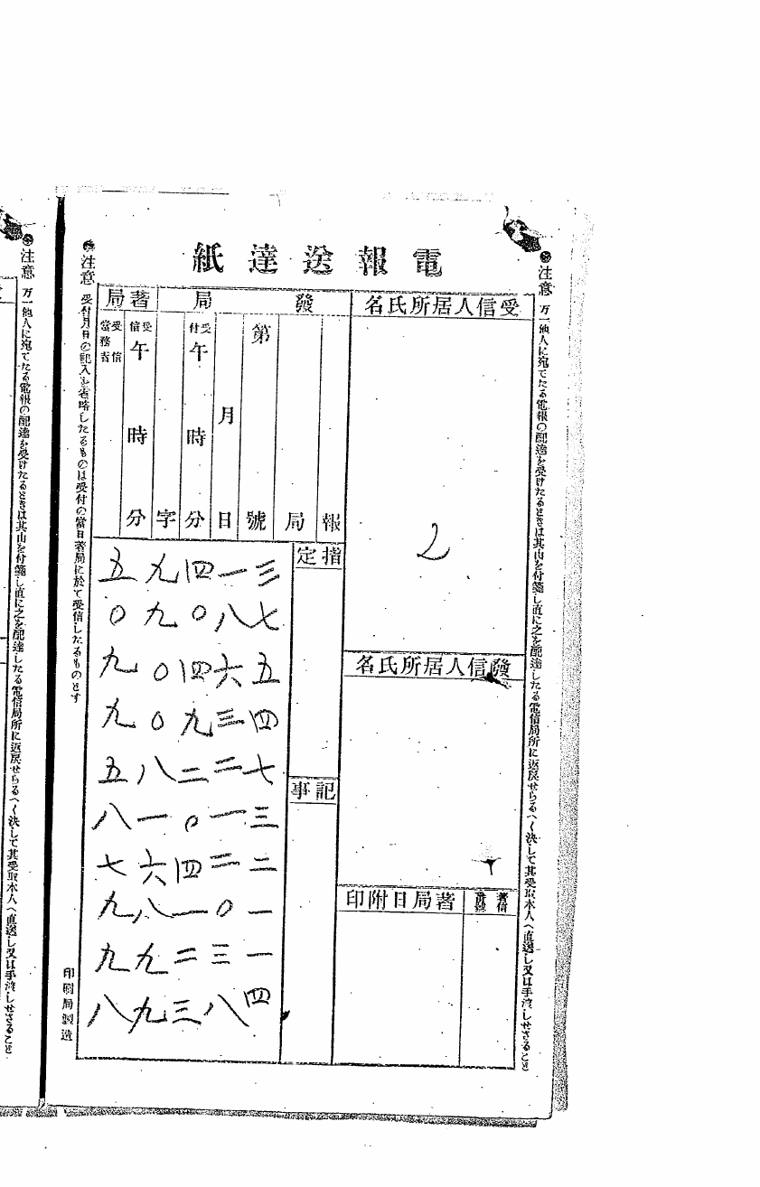
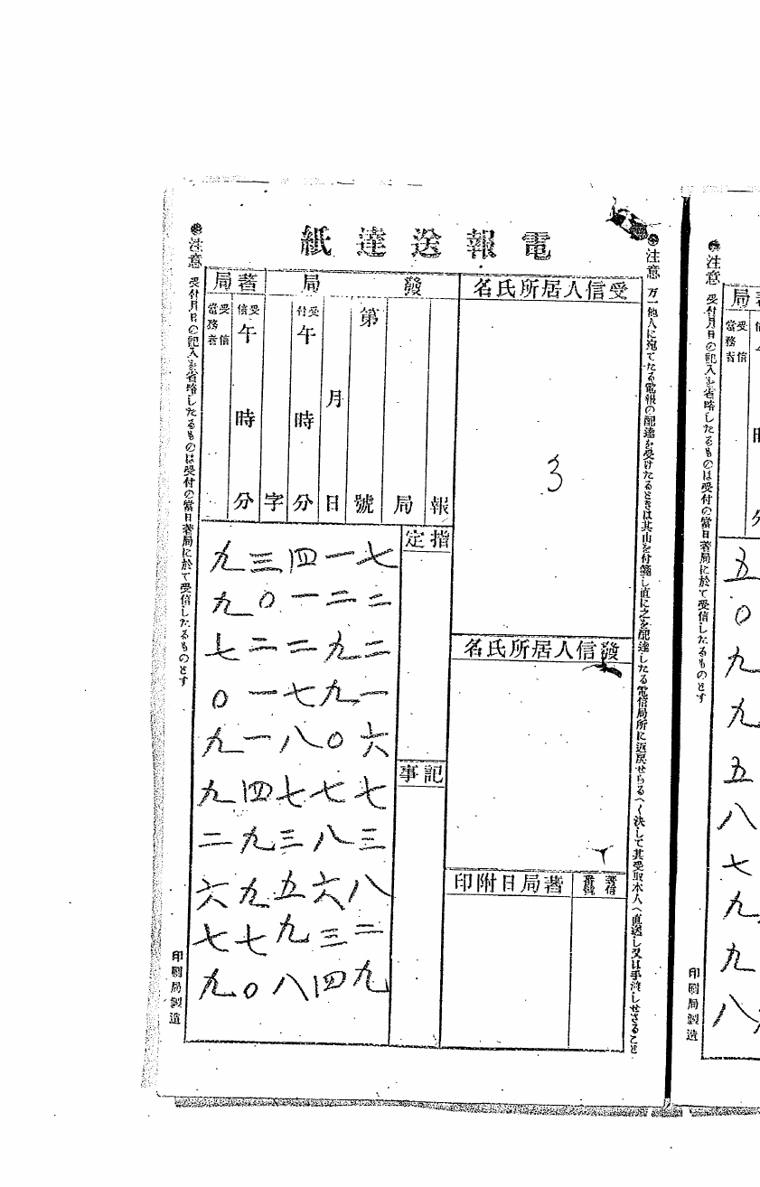
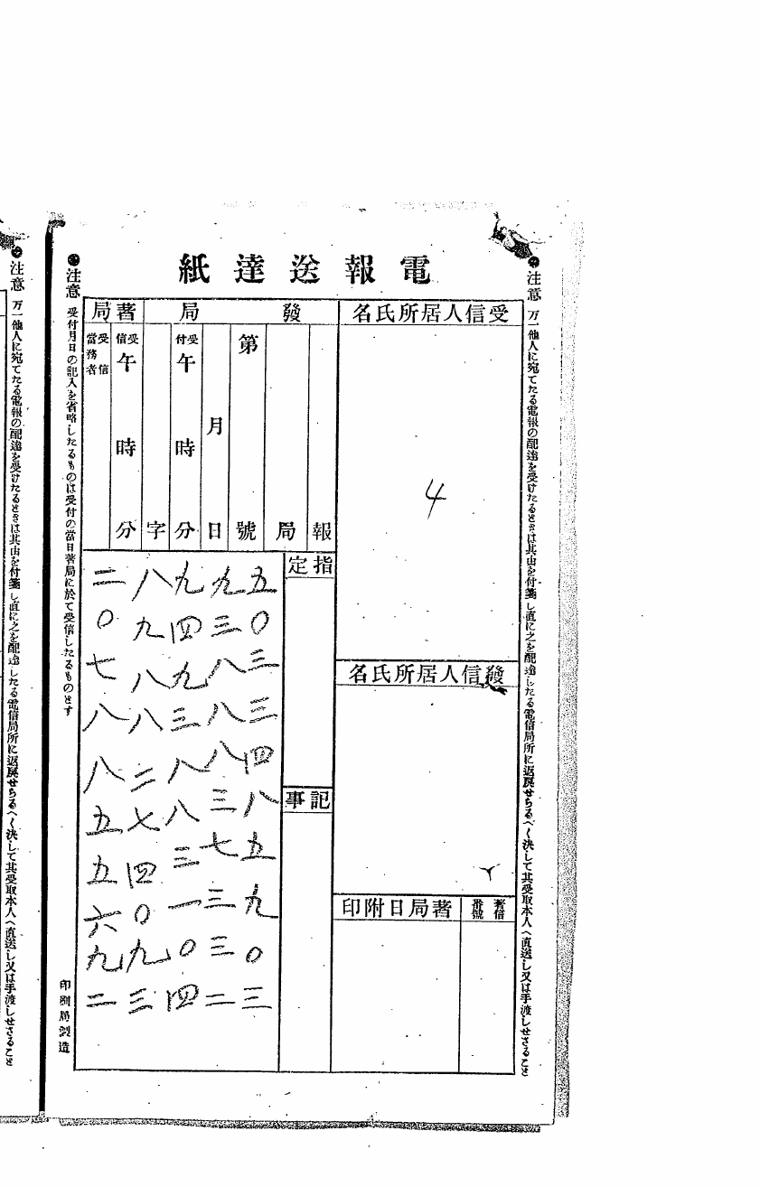
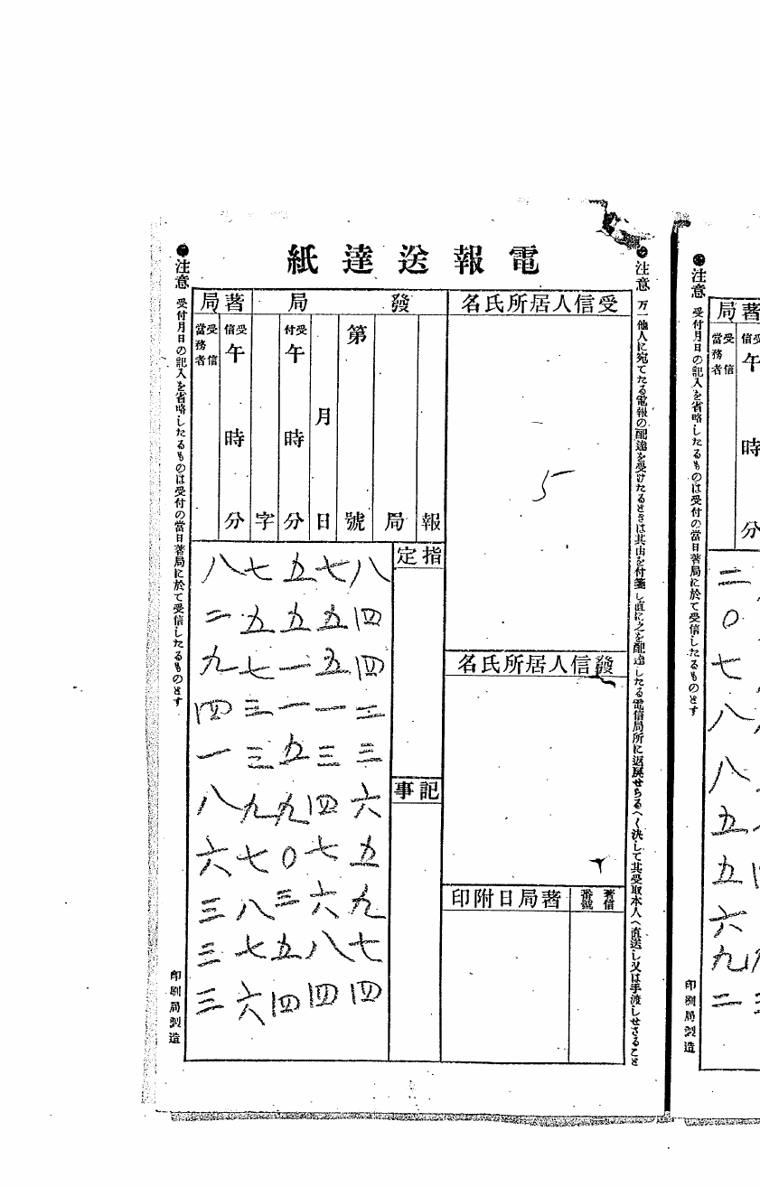
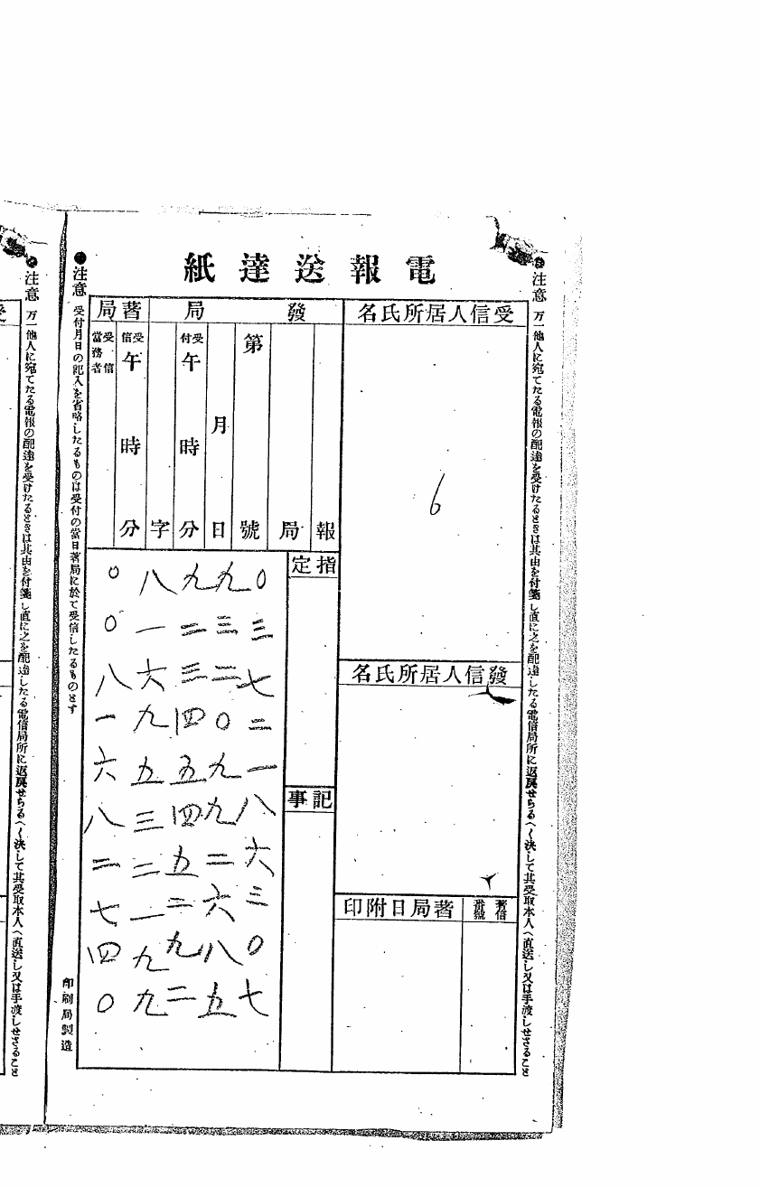
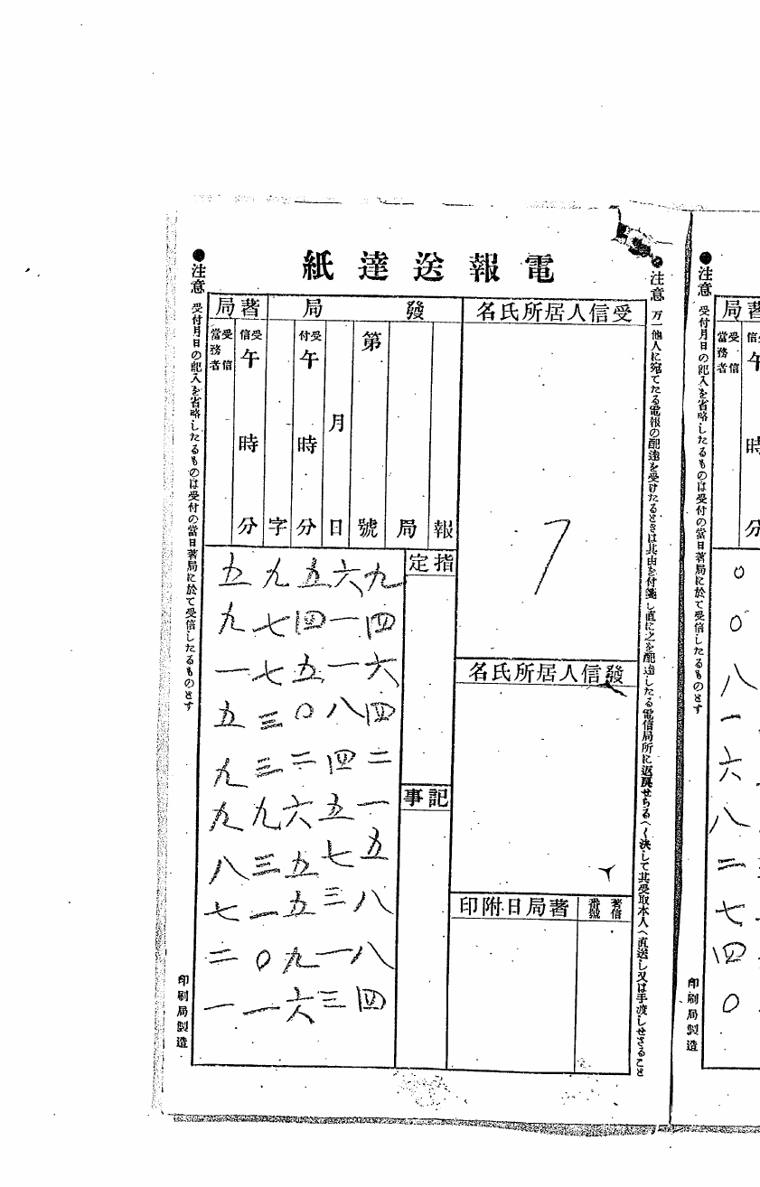
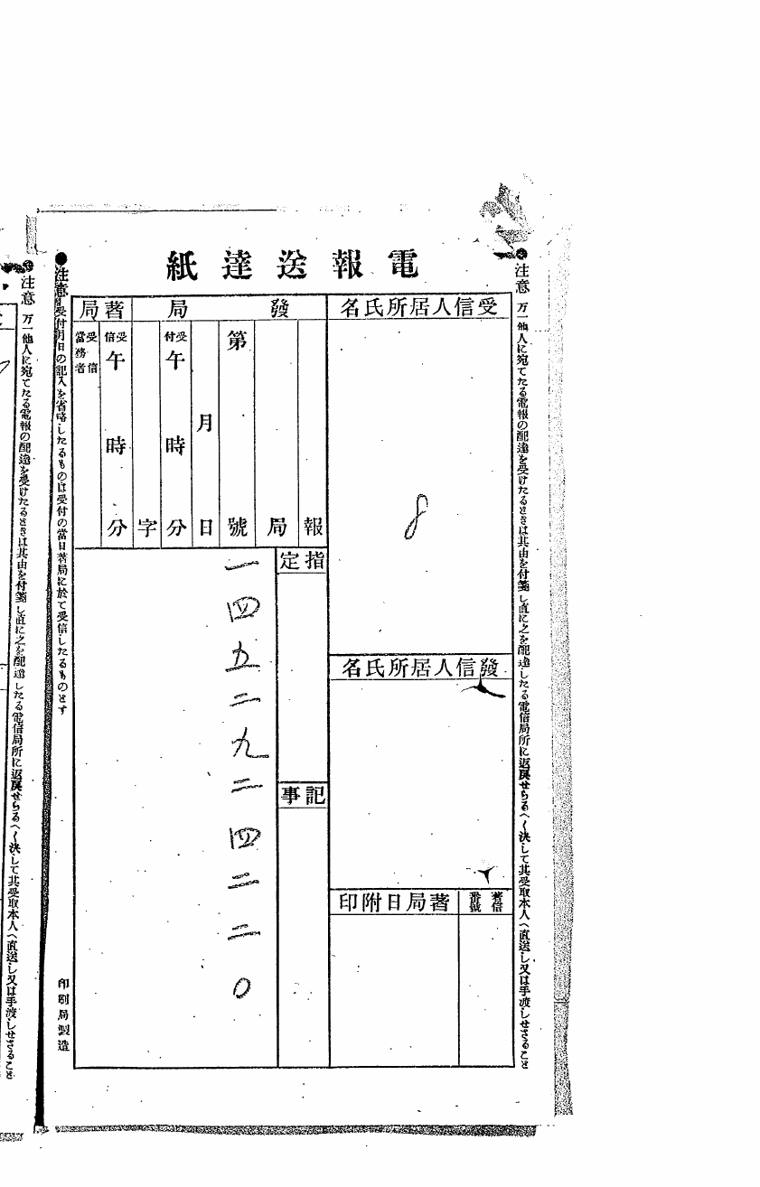
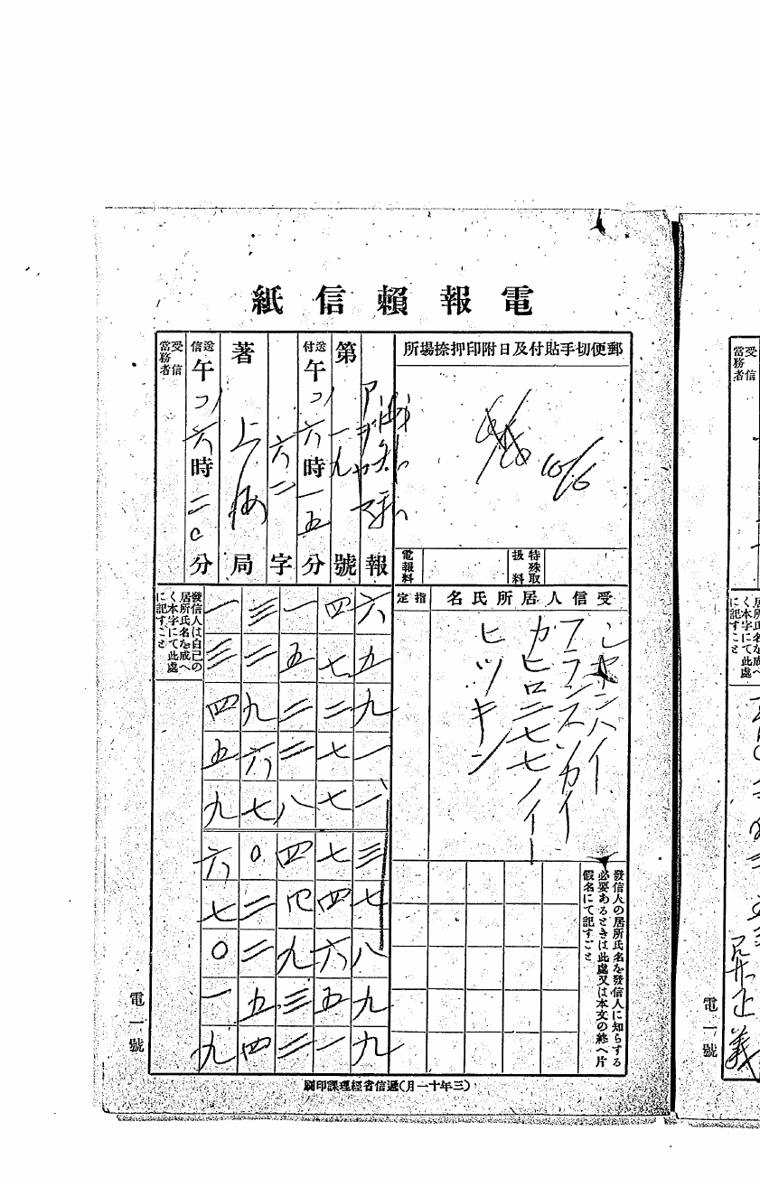
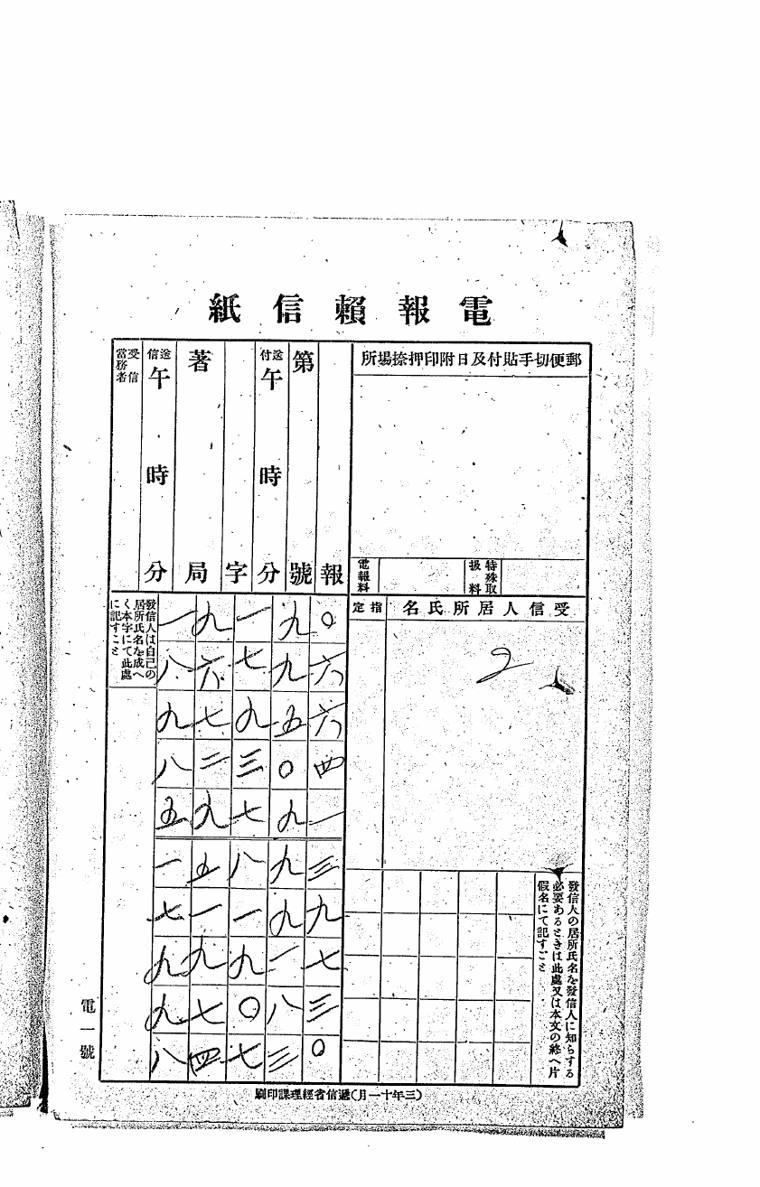
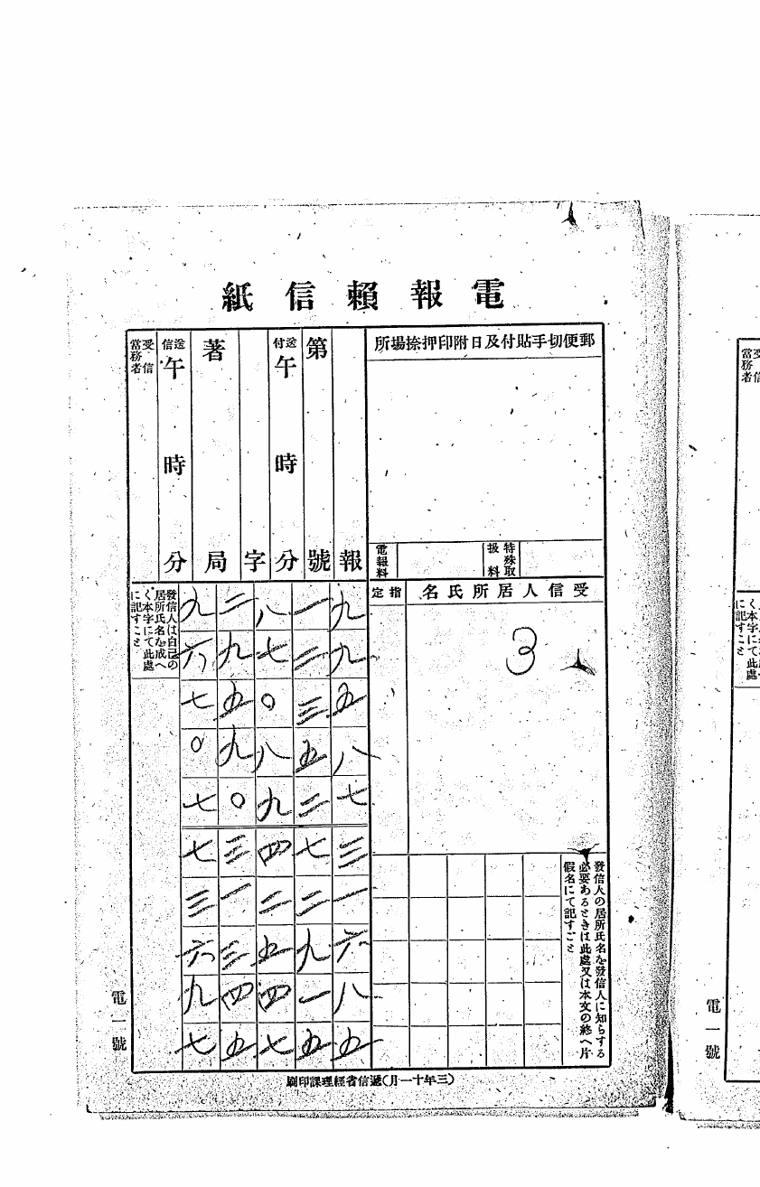
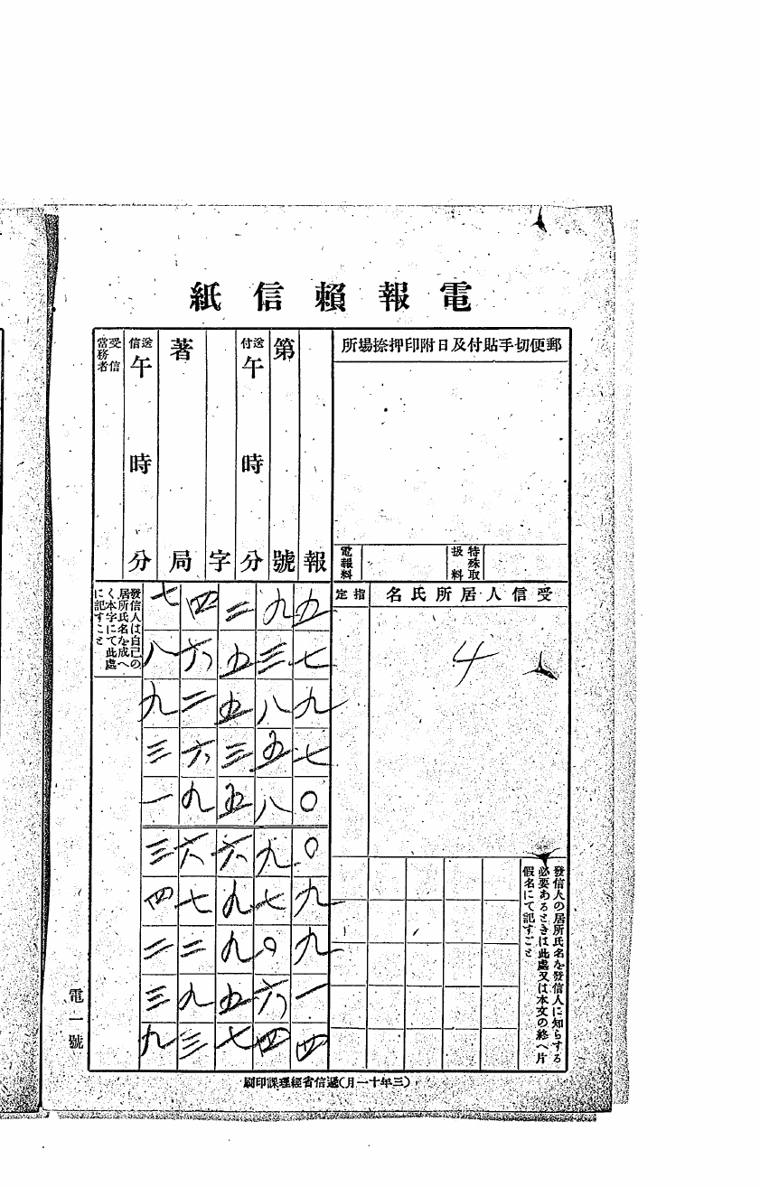
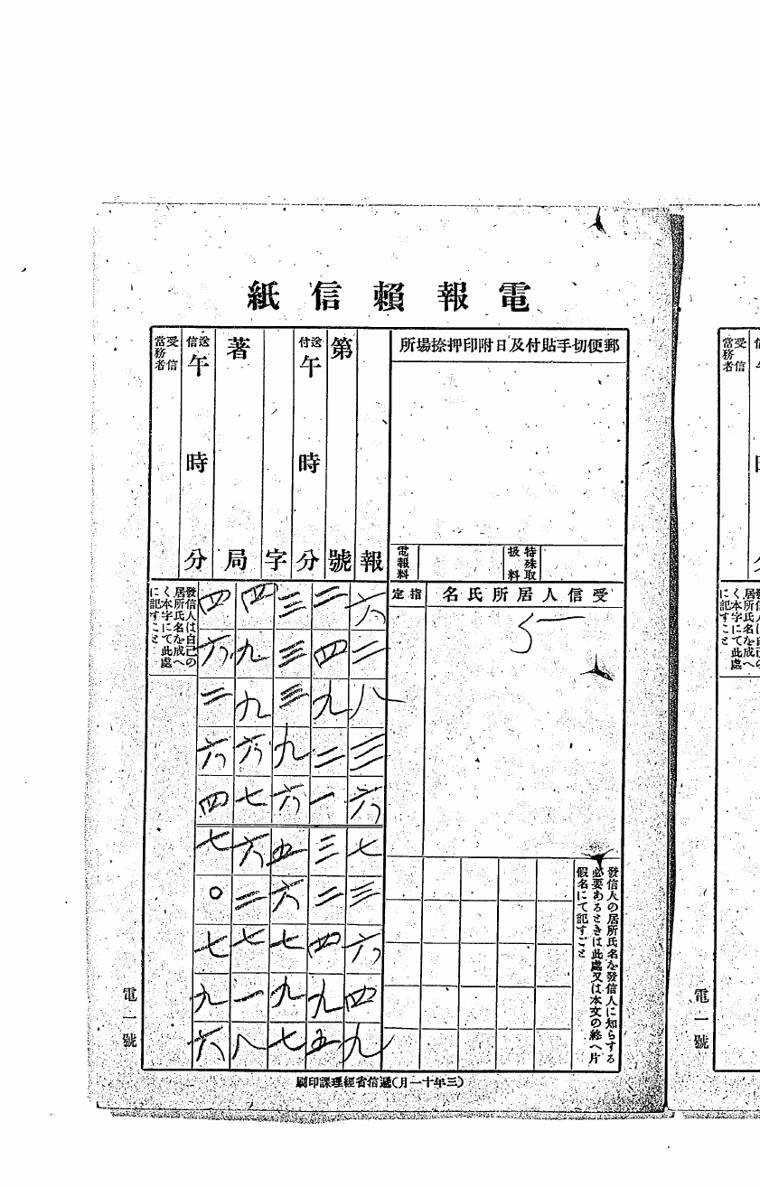
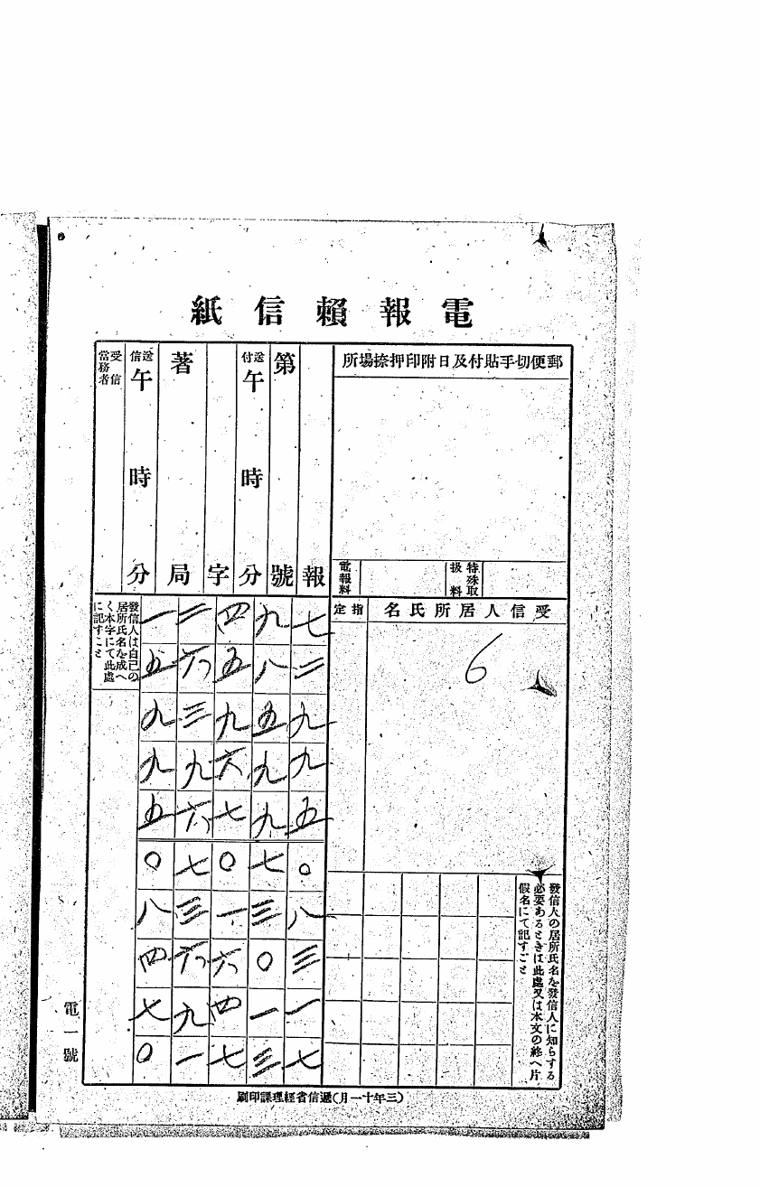
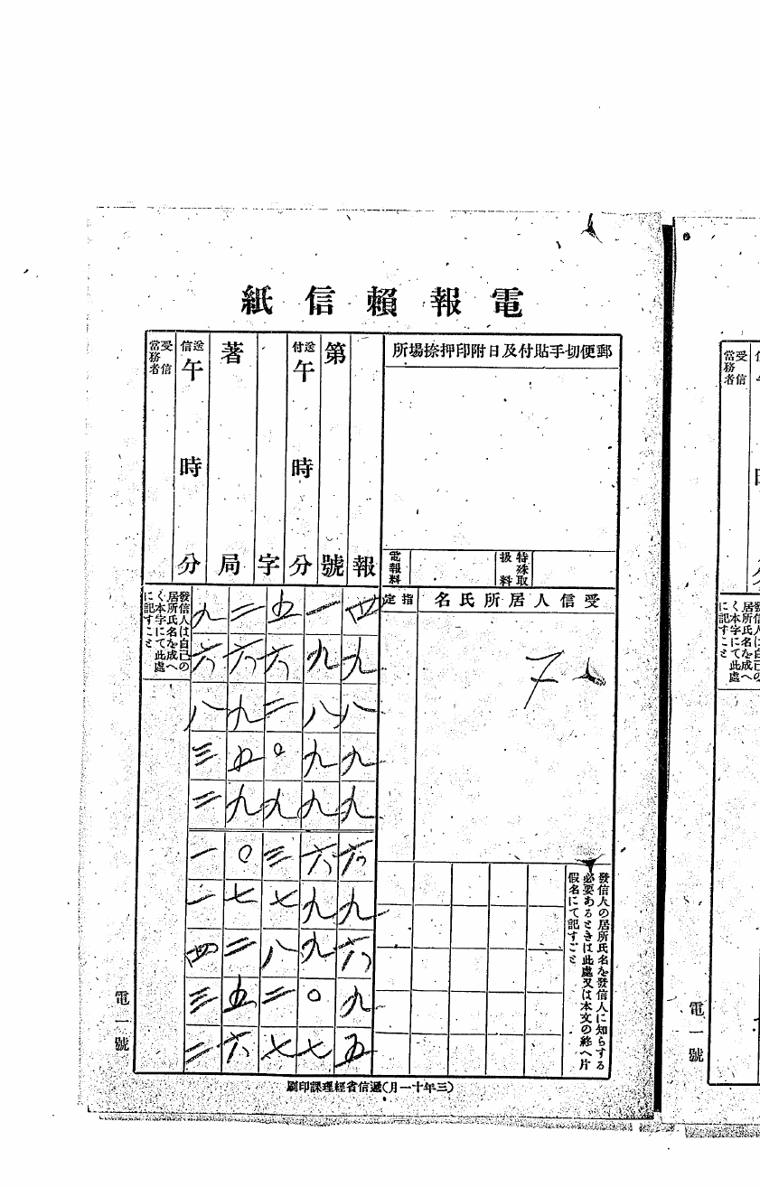
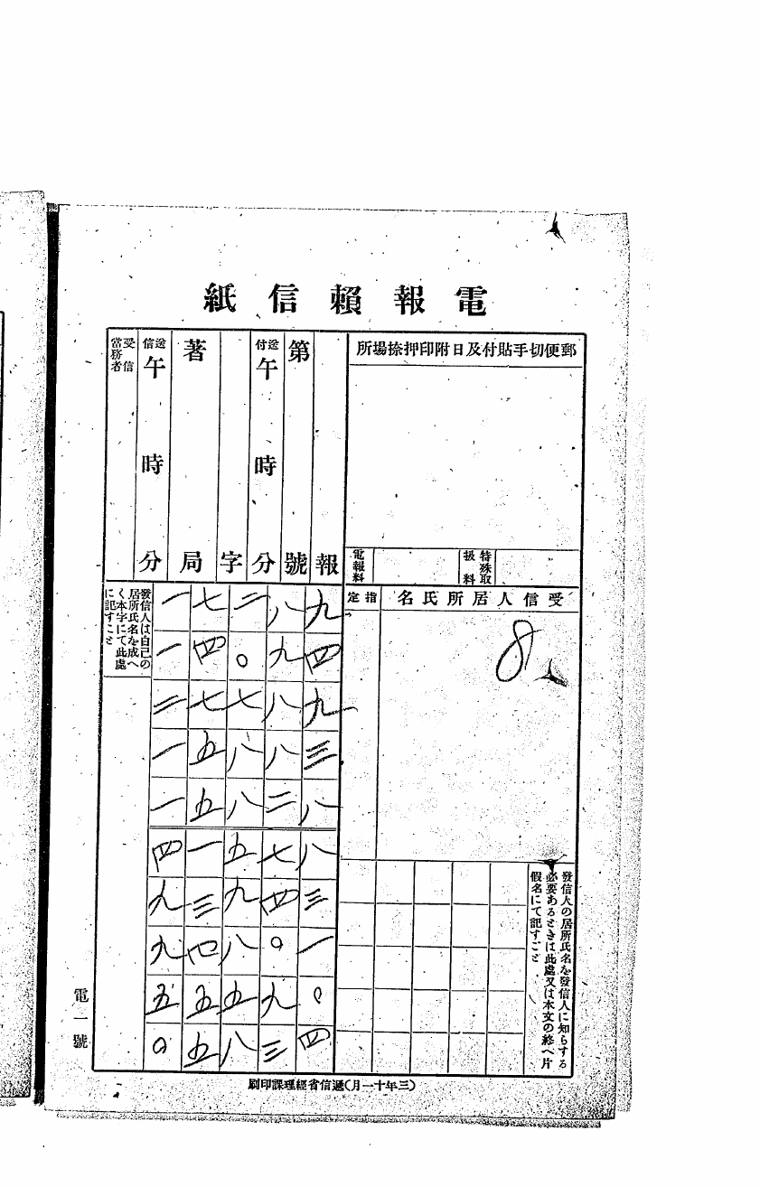
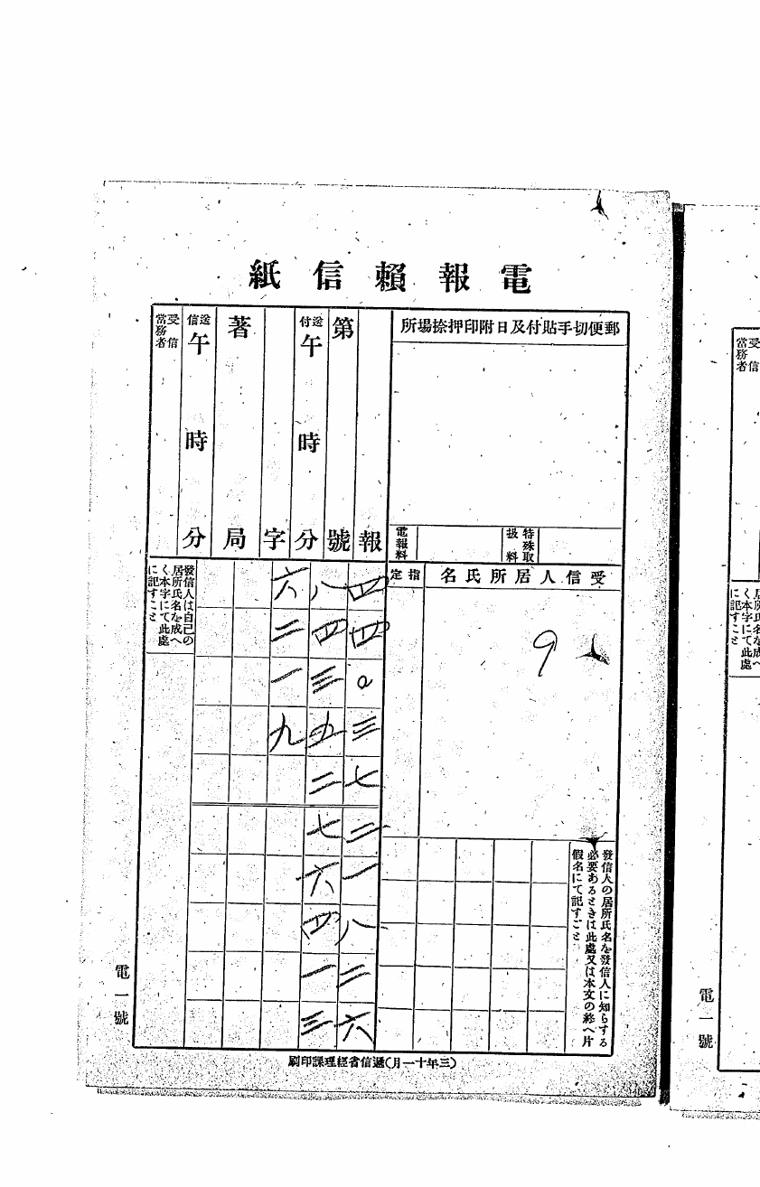
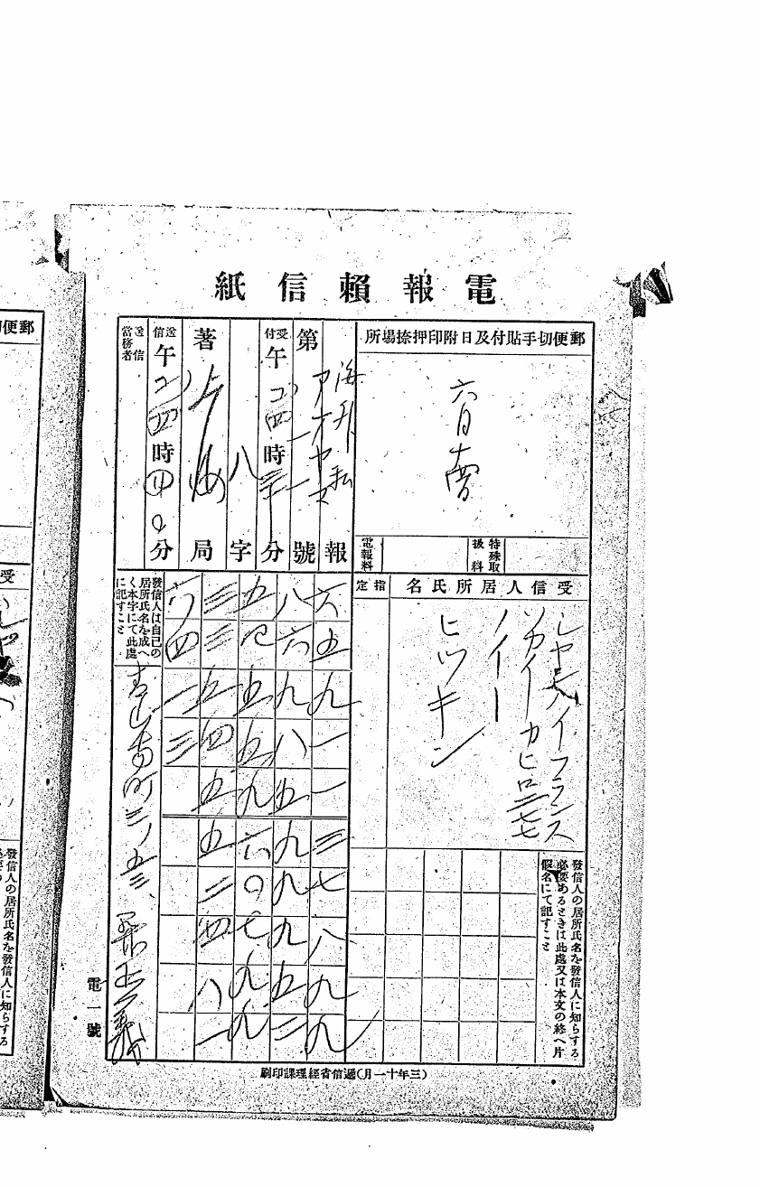
Four cipher telegrams sent from Tokyo in June 1916 by Huang Xing and Zhang Xiaozhun, all to the address of the Hunanese group in Shanghai (one to be passed on to Bo Wenwei): a division for Li Yuanhong, the joint telegram to Li and Cen Chunxuan, Shandong. The key is a reordered Chinese telegraph code.[27]
Grid reading order: Brice Dudout. Hunan lead, transcription, key recovery, translation and probable readings: Claude (Anthropic). All digits re-read by Brice Dudout.
The key is a reconstruction, not taken from a historical code book. Translations are working proposals; probable readings are shown beside the decoded text, never in place of it. Identifications of people are candidates.
The key
Sheets are read in columns, right to left and top to bottom (reading order proposed by Brice Dudout), in groups of four digits; the public prefix 6591 1378 = 辰密 stays in clear (N05 has none). Each group reads as page + tens + units: P = 100 × page + 10 × T(tens) + U(units), with ordinary carry; P is the character number in the Chinese Telegraph Code (CTC).
Page (first two digits): pages are numbered backwards over the numbers without a zero: 99 = page 00, 98 = 01, …, 91 = 08, then 89 = 09 (90 is skipped), 88 = 10, …, 11 = 80. This is why no Chenmi group has a 0 in the thousands or hundreds.
99→00 | 98→01 | 97→02 | 96→03 | 95→04 | 94→05 | 93→06 | 92→07 | 91→08 | 89→09 | 88→10 | 87→11 | … | 11→80 |
| Digit read | 0 | 1 | 2 | 3 | 4 | 5 | 6 | 7 | 8 | 9 |
|---|---|---|---|---|---|---|---|---|---|---|
| tens | 3 | 9 | 8 | 7 | 1 | 0 | 2 | 6 | 4 | 5 |
| units | 1 | 9 | 5 | 4 | 3 | 2 | 6 | 7 | 8 | 10 |
The units digit 9 stands for “10”: it adds a ten (carry). Examples:
| Group | Page | Tens | Units | P | CTC |
|---|---|---|---|---|---|
9950 | 99 → 00 | 5 → 0 | 0 → 1 | 0001 | 一 |
4220 | 42 → 52 | 2 → 8 | 0 → 1 | 5281 | 興 |
6219 | 62 → 34 | 1 → 9 | 9 → 10 | 3500 | 灰 |
The key was found on N13, N16 and N26 (201 groups): a “permuted page + permuted tens and units” model, fitted by simulated annealing, gave readable text far above shuffled controls; the page table it found followed the zero-free countdown, which was then imposed; finally two aberrant characters (劈 for 力, 滠 for 灰) showed that units 9 means 10. N05, not used in the search, then reads straight through (blind check), and N16 ends with 灰, the code for the 10th, as on its header.
In the proposed reading, {x} replaces an anomalous decoded character with a probable reading; the note says whether a variant of the cipher group differing by a single digit gives that character, or whether it is a contextual reading. 〔x〕: character kept, unresolved.
Another reading of the key: a renumbered 明密 codebook (S. Tomokiyo)
This interpretation is due to S. Tomokiyo (Cryptiana, 23 October 2026)[22]. He suggests that the clerk did no arithmetic: he used a copy of the “明密” code whose page, column and row numbers had been rewritten by hand for secret (密) use; he illustrated each key on a June 1916 edition of the 明密碼電報書 in his possession. Our formulae describe the same table by calculation.
Our key was already a renumbering (pages counted backwards over the numbers without a zero); S. Tomokiyo shows it directly on a page of the book. The unit 9 that “counts as 10” is the bottom row, xxx0.
| Written digit | 0 | 1 | 2 | 3 | 4 | 5 | 6 | 7 | 8 | 9 |
|---|---|---|---|---|---|---|---|---|---|---|
| column | 3 | 9 | 8 | 7 | 1 | 0 | 2 | 6 | 4 | 5 |
| row (1–10) | 1 | 9 | 5 | 4 | 3 | 2 | 6 | 7 | 8 | 10 |
Check: for all 10,000 group values, the published key splits exactly into page (first two digits), column (tens) and row (units), with no residual carry (mingmi.py). In the book each column holds xxx1 to xxx9 and then, at the bottom, xxx0: this is what our “carries” expressed.
S. Tomokiyo also notes that many “X密” codebooks of 1913–1923 are preserved in Taiwan; many probably differed only in such numbering.
Context
The 辰密 prefix also appears in the edition of Huang Xing’s drafts (《黃興等電稿》), for telegrams of July 1916 to his Hunanese correspondents (曾繼梧, 程潛) and to 林辰, a cover name of his Tokyo household which in April cabled Sun Yat-sen about “the Hunan affair”. The four June Chenmi telegrams all go to the same telegraphic address, ヒツキン, 277 Avenue Joffre (French Concession, Shanghai); the Gongmi N27, sent the same day, goes to Li Shucheng on the same street.
N13 (9 June, Huang Xing) and N16 (10 June, Zhang Xiaozhun) deal with the same plan: a joint telegram to Li Yuanhong, Cen Chunxuan and the provinces, to be approved by the National Protection Army; N16 also proposes giving Li a reliable division by having Zhao Hengti (趙夷午) train troops in Hunan, under Governor Tang Xiangming, brother of Tang Hualong (濟武). N05 (3 June) concerns Shandong and Bo Wenwei (烈武); N26 matches Rongmi N28 (300 yuan for Jiang Fangzhen).
Who is ヒツキン? Probably not a Western name: on the same forms the Japanese clerk writes Shanghai addresses as Japanese readings of the Chinese characters — カヒロ = 霞飛路 (Avenue Joffre), フランスソカイ = French Concession, リショジョウ = 李書城. ヒツキン is thus probably the Japanese reading of two characters (ヒツ: 畢, 筆, 必…; キン: 金, 欽, 勤, 錦…), a name or telegraphic address of the Hunanese group; it remains to be identified.
Historical context
Yuan Shikai died on 6 June 1916; Li Yuanhong became president the next day. The southern provinces that had risen against Yuan (the National Protection Army, 護國軍; the Military Council at Zhaoqing, 軍務院, with Cen Chunxuan as vice-head) set their conditions: a return to the 1912 Provisional Constitution and Parliament. N13 (9 June) is about the joint telegram to be sent to Li, Cen and the provinces: Huang Xing wants a unanimous position, backed by the Protection Army, without appearing opportunistic; the next day he sets out his conditions in Gongmi N17.
In Hunan, Governor Tang Xiangming (湯薌銘), Yuan’s appointee, had declared the province independent on 29 May under pressure from Hunanese revolutionaries; he left Changsha in early July. Zhao Hengti (趙恆惕, courtesy name 夷午), imprisoned after the 1913 Second Revolution and freed in 1915, was restored in 1916 to command of the 1st Hunan Division: this is N16’s “now training troops under Governor Tang”. Zhang Xiaozhun proposes going through Tang Hualong (湯化龍, 濟武), the governor’s elder brother, to have Zhao form an elite division at Li’s disposal: giving the new president a reliable force, the idea Huang Xing repeats in N18 (“armed backing is needed”).
The recipients are the Hunanese in Shanghai: 組 = Tan Yankai (譚延闓, 組安), former governor of Hunan, whom his compatriots would push in July towards the provincial governorship (appointed in August); 鳳 = Chen Jiahui (陳嘉會, 鳳先), a Hunan deputy. “Japan is very much wait-and-see” (N13) echoes a draft of Huang Xing of 20 June (“實日當局意存觀望”) and the stalled loans of the Rongmi and Gongmi telegrams.
N05 (3 June, before Yuan’s death) concerns Shandong, where several anti-Yuan forces then coexisted: unified command there is to be offered to “烈武” (identification with Bo Wenwei, 柏文蔚, to be checked), together with Zhang Ji. N26 matches Rongmi N28: three hundred yuan for Jiang Fangzhen (百里).
Aligned critical translation
The segment-by-segment working translation is in French. See the French aligned translation
Sources: JACAR forms [27]; edition of Huang Xing’s drafts [29]; courtesy names: biographies cited in [28]; day codes: Academia Sinica. Decoder: solver/chenmi.